
Start by signing up for a free trial on one of the major UK‑available services – for example, NVIDIA GeForce Now, Xbox Cloud Gaming or Amazon Luna. Run the built‑in speed test; a stable 15 ms ping to a UK data centre usually yields a playable frame rate, while anything above 30 ms may start to feel sluggish on fast‑paced shooters. Record the numbers; you’ll be surprised how much a single millisecond can change the experience.
Step 2: Connect the Right Device, Not the Cheapest
It’s tempting to stream onto an old smart TV because it looks cheap. In practice, a mid‑range Android TV box (around £80) or a Windows 10 laptop with an HDMI‑capable monitor delivers a smoother controller response than most built‑in TV chips. The rule of thumb: if the device supports at least Wi‑Fi 6 (802.11ax) and has a USB‑C port for a wired Ethernet dongle, you’re set.
Step 3: Optimize Your Home Network
Turn off any bandwidth‑hungry apps on the same Wi‑Fi – Netflix, large downloads, smart‑home hubs – before you launch a session. Use a dedicated 5 GHz band; the 2.4 GHz spectrum is already crowded by baby monitors and cordless phones. If you have a gigabit fibre connection, allocate a minimum of 10 Mbps per stream; anything less will cause the occasional stutter during rain‑soaked scenes.
Step 4: Explore New Content Formats
Cloud gaming isn’t just about playing the latest triple‑A titles on a couch. Services now bundle interactive movies, virtual concerts and even live sports simulations that adapt to your choices. Yesterday I tried a VR‑style concert streamed from a server in Manchester; the latency was low enough that the crowd’s wave felt genuine, and the audio stayed perfectly in sync with the visual effects.
Step 5: Turn Gaming into a Social Hub
Because the hardware is abstracted away, friends can join a session from any device – a phone in a cafe, a laptop in a shared flat, a tablet on a train. The real breakthrough is the “watch‑and‑play” feature on some platforms: one user streams their game, while up to four others can jump in as co‑players without each needing a console. It’s the digital equivalent of a living‑room board‑game night, only the board is a massive open‑world map.
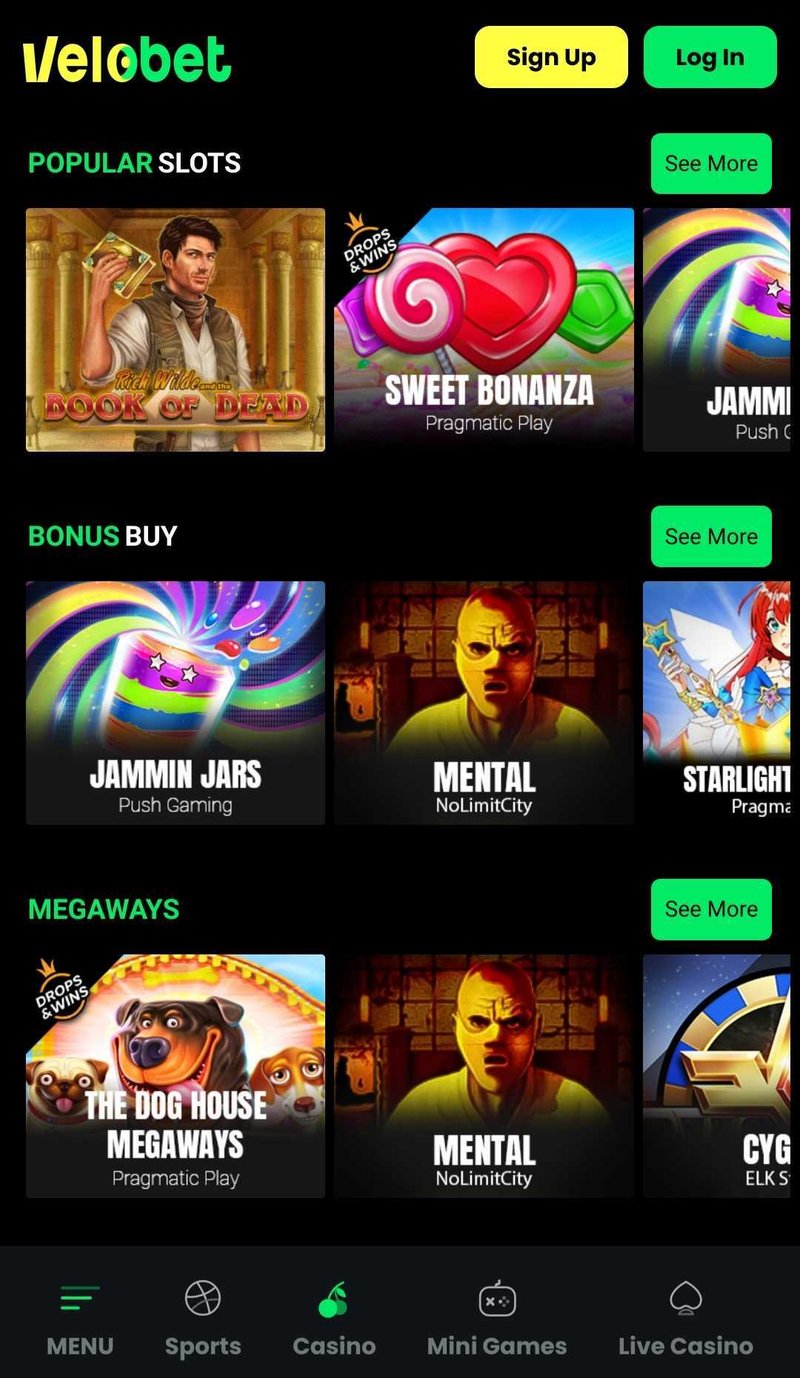
While we’re talking about the blur between gaming and broader entertainment, it’s worth noting how the rise of cloud services has nudged other online pastimes into the spotlight. For those curious about where the overlap leads, checking out velobet online offers a glimpse of how betting platforms are also leveraging low‑latency streaming to keep users engaged.
Common Mistake: Ignoring Data Caps
Many broadband packages still enforce a 500 GB‑to‑1 TB monthly cap. Streaming a two‑hour session in 1080p can chew through 10–15 GB, meaning a heavy gamer could breach the limit after just a few evenings. The cheap fix is to monitor usage via your router’s dashboard and, if possible, upgrade to an unlimited plan. Otherwise, you’ll face throttling exactly when the final boss appears.
Step 6: Reflect on the Shift in Entertainment Habits
After a month of cloud sessions, you’ll notice a subtle change: you no longer schedule weekly gaming nights around a console’s power‑up time. Instead, you can jump in whenever a spare Wi‑Fi slot appears, whether that’s a break between work meetings or a rainy afternoon on the sofa. This flexibility is the core of how cloud gaming is redefining entertainment in the UK – it turns a traditionally static hobby into a fluid, on‑demand experience.
In the end, the biggest win isn’t the hardware you avoid buying, but the freedom to treat a game like a TV show: one episode, a half‑hour, or an all‑night binge, all without the clutter of discs or the weight of a console. If you follow the steps above and keep an eye on the common pitfalls, you’ll be ready to join the next wave of UK entertainment, streamed straight from the cloud.


