
The Allure of Casinos: A Psychological Perspective
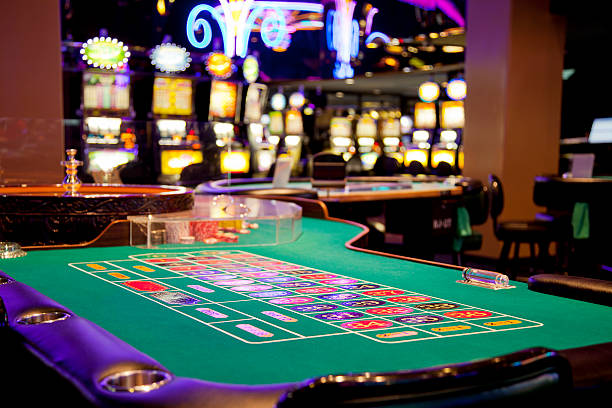
Casinos have long fascinated individuals with their vibrant atmosphere and the promise of winning fortunes. The psychological principles that underpin this allure are deeply rooted in human behavior. From the moment a person steps inside a casino, they are enveloped in a world designed to evoke excitement, anticipation, and ultimately, the thrill of chance. This environment is meticulously crafted to manipulate emotions, making patrons more likely to engage in gambling. Many individuals find themselves searching for the best non Gamstop casinos available, hoping to maximize their enjoyment and success.
The principles of operant conditioning play a significant role in this dynamic. Casinos utilize rewards, such as free drinks or comped meals, to reinforce gambling behavior. This creates a psychological feedback loop where the anticipation of winning reinforces continued play. Additionally, the use of colorful lights and sounds further enhances this experience, stimulating the brain’s reward center and increasing the desire to gamble. The concept of loss aversion also plays a vital role in this cycle.
The Role of Risk and Reward in Decision Making
The psychology of risk and reward is crucial in understanding how players make decisions in casinos. Many gamblers exhibit risk-taking behavior fueled by the potential for high rewards. This tendency is often magnified by cognitive biases, such as the illusion of control, where players believe they can influence the outcome of a game despite it being purely chance-based. Understanding these psychological mechanisms is essential for improving one’s strategies.
Furthermore, research shows that individuals are more motivated to avoid losses than to acquire equivalent gains. This can lead players to continue gambling in an attempt to retrieve losses, creating a cycle of behavior that can be hard to break. Recognizing these psychological factors helps equip players in making more informed choices while gambling.
The Social Dynamics of Gambling
Social influences are another critical factor in casino environments. Many individuals are drawn to casinos not only for the potential financial gains but also for the social experience. The communal atmosphere fosters a sense of belonging and shared excitement, which can enhance the gambling experience. Interactions with other players can create a sense of camaraderie, further encouraging participation and a deeper understanding of the game’s psychology.
Moreover, social proof—where individuals look to others to guide their behavior—can significantly impact gambling decisions. Observing others win can trigger a desire to join in and try one’s luck, reinforcing the cycle of participation. The social dynamics at play in casinos can amplify individual behaviors, making the gambling environment both engaging and potentially dangerous for some.
The Impact of Marketing and Incentives
Marketing strategies employed by casinos significantly influence player behavior and perceptions. From the strategic placement of games to the use of bonuses and promotional offers, casinos have mastered the art of enticing players. These marketing tactics tap into psychological triggers, creating a sense of urgency or excitement that encourages gambling. Monitoring marketing trends helps players become more aware of their environment.
Incentives, such as loyalty programs or high roller bonuses, are designed to retain players and encourage frequent visits. These strategies exploit the psychological principles of commitment and consistency, making players more likely to return to the casino. By understanding these marketing techniques, players can better navigate their experiences and make conscious choices regarding their gambling habits.
Maintaining a Safe and Enjoyable Gambling Experience
While the allure of casinos is undeniable, it is essential for players to approach gambling with a clear understanding of the psychological factors at play. By recognizing the influences of environment, decision-making, social dynamics, and marketing, individuals can create a healthier relationship with gambling. This awareness promotes responsible gambling practices and helps mitigate the risks associated with reckless behavior.
Ultimately, the experience of visiting a casino should be enjoyable and entertaining, not detrimental. Establishing limits, prioritizing safety, and being mindful of the psychological elements at work can lead to a more fulfilling gambling experience. For those interested in exploring this dynamic world, staying informed and aware is key to enjoying everything that casinos have to offer while minimizing potential pitfalls.


